If you’re a regular vape user, you’ve probably felt that familiar rush of anxiety before walking through a metal detector. Whether you’re heading through airport security, entering a school building, or passing through mall scanners, one question always pops up: will my vape set off the alarm? It’s one of the most common concerns for vapers, yet the answer is widely misunderstood online. Many people assume vapes are too small to be detected, while others avoid carrying them entirely for fear of being pulled aside for a full search. The truth is not a simple yes or no. Whether a vape triggers a metal detector depends on your device’s internal components, the sensitivity of the scanning equipment, and even how you choose to carry it. In this guide, we’ll break down exactly how metal detectors work, why vapes cause alarms, which scenarios pose the biggest risks, and how you can carry your device safely and legally without unnecessary hassle.
To understand why vapes trigger security scanners, you first need to know how metal detectors operate. Contrary to popular belief, these devices do not detect plastic, liquid, batteries as a power source, or any non-metallic materials. Their entire function revolves around electromagnetic field technology. Walk-through metal detectors, the ones used in airports, schools, and public venues, emit a continuous, low-frequency electromagnetic field across the scanning area. When any metallic object passes through this field, it disrupts the electric current and creates a signal feedback that immediately triggers an alarm.
Several key factors determine whether an object will set off a scanner. First is the type of metal: ferrous metals like steel and iron trigger alarms far more easily than non-ferrous metals such as aluminum or copper. Second is the volume and density of the metal—larger, thicker metallic components create a stronger disruption. Third is the detector’s sensitivity level, which security staff adjust based on the location. Airports use maximum sensitivity to catch tiny prohibited items, while shopping malls use lower settings for fast, casual crowd screening. It’s also important to distinguish between walk-through scanners and handheld detectors. Walk-through machines catch general metal presence, while handheld scanners offer precise, targeted detection, meaning few metallic items can escape a close manual check.
Why Vapes Can Trigger Metal Detectors
All vapes, regardless of size or style, contain built-in metal components that have the potential to set off metal detectors. While most vapes feature a sleek plastic outer shell, their internal structure relies heavily on metal parts that interact perfectly with security scanning technology. The most impactful component is the lithium-ion battery found in every rechargeable and disposable vape. Encased in a thin metal shell, these batteries have enough metallic density to disrupt electromagnetic fields, making them the primary cause of security alarms.
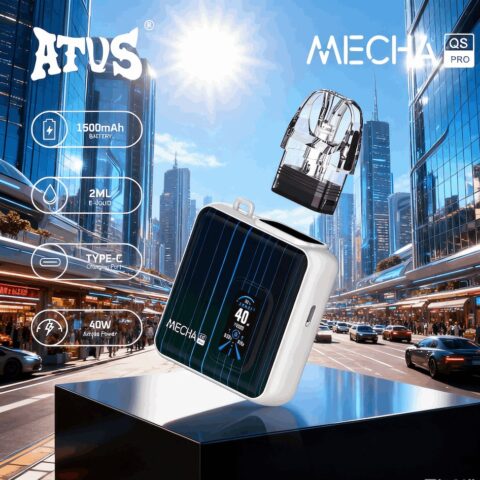
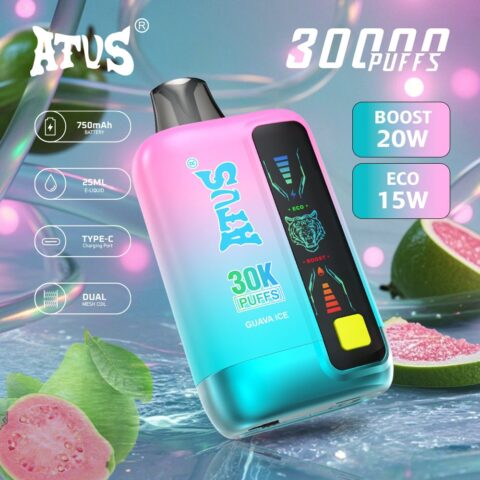
Beyond the battery, vapes include several other metallic parts: metal heating coils, conductive contact points that connect the battery to the pod, small metal airflow tubes, and internal structural wiring. Even tiny disposable vapes, which appear almost entirely plastic, have these essential metal components hidden inside. The difference in detection risk mainly comes down to device size. Small disposable vapes have minimal metal content, so they often slip past low-sensitivity scanners in malls and local venues. However, larger devices like rechargeable pod vapes and box mods feature bigger batteries, thicker metal frames, and more internal wiring, making them extremely likely to trigger alarms at any security checkpoint.
An often-overlooked factor is the stacked metal effect. Carrying your vape alongside other everyday metal items—keys, coins, watches, phone frames, or jewelry—amplifies the metallic signal. Even a small disposable vape that would normally go undetected can set off an alarm when grouped with other metal objects in your pocket or bag.
Scenario-Based Test Results: Where Do Vapes Trigger Alarms Most?
Detection risk varies drastically depending on the security setting, as each location uses different scanner sensitivity levels and screening protocols. Understanding these scenario-based differences is the best way to avoid unexpected security issues.
Airport security poses the highest risk by far. Airport metal detectors run at maximum sensitivity, designed to identify even tiny fragments of metal. In this setting, all vapes will be detected, including standard disposable devices. Travelers carrying vapes will almost always be pulled aside for a secondary bag check or pat-down. This is not a cause for panic, as vapes are legal to carry in carry-on luggage in most countries, but it will slow down your security process.
School and office security features medium-sensitivity scanners, creating a mixed-risk environment. Large box mods and bulky rechargeable vapes will consistently trigger alarms. Meanwhile, slim disposable vapes often avoid detection, though strict school security with frequent handheld follow-up checks will still catch them. Malls, gyms, and general public venues use low-sensitivity scanners optimized for speed. In these spaces, most small vapes pass through undetected with almost no risk of an alarm.
One universal rule applies across all locations: handheld metal detectors are 100% effective at finding vape metal components. If security staff conduct a manual scan, no vape device will go unnoticed, no matter how small or compact it is.
Common Myths About Vapes & Metal Detectors
Plenty of misinformation circulates about vapes and security scanners, leading users to make avoidable mistakes. Clearing up these common myths will help you navigate security with confidence.
The first myth is that plastic-shell vapes are undetectable. Many users purchase all-plastic-looking vapes thinking they will never trigger alarms. This is completely false. The plastic exterior is just a protective casing; the internal metal battery, coils, and wiring remain fully detectable by metal detectors. The shell material has zero impact on scanning results.
A second widespread myth is that empty vapes with no e-liquid won’t set off scanners. E-liquid is a non-metallic, liquid substance that security detectors cannot pick up at all. Whether your vape is full, half-empty, or completely dry makes no difference to alarm triggering. Only the metal structure of the device matters.
Finally, many people believe disposable vapes are entirely undetectable. While disposables often pass low-sensitivity scanners, they are never invisible to high-precision equipment. Airports and formal security checkpoints will always detect their internal metal components, so never assume a disposable vape will let you bypass screening unnoticed.
Practical Tips: How to Carry Vapes Through Security Smoothly
The good news is that you don’t need to stop carrying a vape to pass through security seamlessly. With a few simple, legal habits, you can avoid false alarms and stressful security stops. First and foremost, always prioritize local regulations. Vapes are legal to carry in personal luggage and daily bags in most regions, but always confirm local rules to avoid violating restrictions on vape possession.
For smooth screening, always remove your vape from your pocket or bag and place it alone in a security tray. Separating it from keys, coins, and other metal items eliminates the stacked metal effect that causes most false alarms. Avoid stashing your vape in metal-lined pockets, metal pencil cases, or metallic bag compartments, as these amplify detection signals significantly. If you’re traveling through high-security areas like airports, opt for a slim disposable vape instead of a bulky box mod to reduce screening attention.
If your vape does trigger an alarm, stay calm and cooperate fully with security staff. This is a routine occurrence and not a sign of suspicious activity. Being transparent and compliant will speed up the check process and prevent unnecessary delays or questioning.
Conclusion
So, do vapes set off metal detectors? The definitive answer is yes—vapes contain metallic internal components that can and will trigger security scanners under the right conditions. The likelihood of an alarm depends on three core factors: the size of your vape’s metal parts, the sensitivity of the security equipment, and how you store and carry your device. High-security locations like airports detect every type of vape without exception, while casual public venues rarely flag small disposable devices.
Most security stress around vapes stems from common misconceptions about how detectors work. Plastic casings and empty e-liquid tanks do not make devices undetectable, and only metal components drive alarm triggers. By understanding these rules and following simple security habits—separating your vape from other metal items, avoiding bulky devices for travel, and cooperating with checks—you can carry your vape legally and smoothly in any public setting. At the end of the day, compliance and awareness are the easiest ways to avoid security hassle while enjoying your vape.